
Introduction: The Dawn of a New Production Paradigm
The manufacturing landscape is undergoing a profound transformation, driven by a confluence of technological advancements and a fundamental shift in how products are conceived and produced. Says Vincent Vendittelli, for decades, the industry has largely operated on a ‘linear’ model – a series of steps from raw materials to finished goods. However, the rise of Industry 5.0 represents a departure from this traditional approach, prioritizing human-centricity and symbiotic collaboration between machines and skilled workers. This isn’t simply about automating tasks; it’s about reimagining the entire production process, leveraging the strengths of both artificial intelligence and human expertise to achieve unprecedented levels of efficiency, quality, and responsiveness. The challenge now is not just to integrate technology, but to understand how to best integrate it with the capabilities of human operators, fostering a truly collaborative future. This article will explore the key drivers behind this evolution and examine how human-machine collaboration is fundamentally reshaping the future of production excellence.
The Rise of Intelligent Automation and Predictive Maintenance
The foundation of Industry 5.0 lies in the integration of advanced automation technologies. Smart manufacturing utilizes sensors, data analytics, and robotic systems to monitor and control production processes with remarkable precision. This goes far beyond simple automation; it involves sophisticated predictive maintenance systems that analyze machine data to identify potential failures *before* they occur, minimizing downtime and maximizing equipment lifespan. The application of Artificial Intelligence (AI) is crucial here, allowing machines to learn from past performance, adapt to changing conditions, and optimize their operations autonomously. For example, AI-powered systems can analyze real-time data from sensors embedded within a production line, identifying subtle deviations from optimal parameters – a sign of potential issues – and triggering preventative measures. This proactive approach dramatically reduces waste and improves overall throughput. Furthermore, the increased availability of data allows for a far more granular understanding of production processes, enabling manufacturers to pinpoint areas for improvement and optimize resource allocation.
Human Augmentation: Empowering Workers with Intelligent Tools
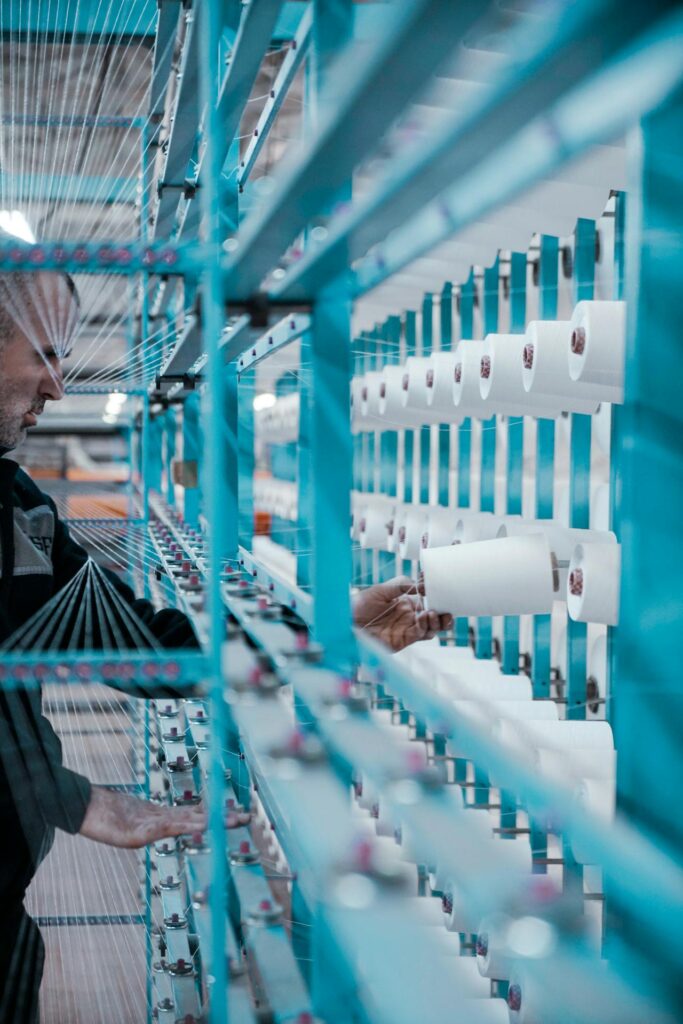
A critical element of Industry 5.0 is the concept of human augmentation – not replacement. Rather than viewing workers as simply performing repetitive tasks, the focus shifts to equipping them with intelligent tools that enhance their capabilities. This includes wearable technology providing workers with real-time insights into their work, augmented reality overlays offering guidance and instructions, and collaborative robots (cobots) designed to work alongside humans, augmenting their dexterity and problem-solving skills. The goal is to shift the workforce from reactive to proactive roles, empowering employees to make informed decisions and handle more complex tasks. Training programs are also evolving to focus on skills like critical thinking, adaptability, and the ability to interpret and utilize data – skills that are uniquely human and difficult to automate.
The Importance of Collaboration and Skill Development
Successful implementation of Industry 5.0 requires a fundamental shift in organizational culture and a commitment to continuous learning. Collaboration between engineers, technicians, and operators is paramount. Rather than siloed departments, teams need to work together to identify problems, develop solutions, and implement improvements. This necessitates robust communication channels and a shared understanding of the goals and objectives of the production process. Crucially, significant investment in workforce development is required to equip workers with the skills needed to thrive in this new environment. This includes training in areas like data literacy, robotics, and human-machine interface design.
Conclusion: Embracing a Human-Centered Future
The transition to Industry 5.0 represents a paradigm shift in how we approach manufacturing. It’s not simply about adopting new technologies; it’s about fundamentally rethinking the relationship between humans and machines. By prioritizing human-machine collaboration, fostering a culture of continuous learning, and investing in workforce development, manufacturers can unlock unprecedented levels of efficiency, quality, and responsiveness. The future of production excellence isn’t about replacing human workers; it’s about empowering them to work alongside intelligent systems to achieve truly remarkable results. Looking ahead, the emphasis will continue to shift towards a collaborative ecosystem where human ingenuity and machine precision converge to deliver superior value.
—