Introduction: The Rise of Intelligent Manufacturing
The modern manufacturing landscape is undergoing a dramatic transformation, driven by a confluence of factors including increasing global competition, heightened consumer expectations for product quality and speed, and a growing emphasis on sustainability. Traditional manufacturing processes, while historically robust, are increasingly struggling to keep pace with these demands. Says Vincent Vendittelli, efficiency, precision, and adaptability are no longer simply desirable goals; they are fundamental necessities for survival and success. At the heart of this evolution lies the integration of robotics and automation – a strategic shift that’s fundamentally reshaping how goods are produced. This article will explore the key benefits and practical applications of this powerful combination, examining how it’s impacting businesses across a wide range of industries. We’ll delve into the technologies driving this change and discuss the long-term implications for the future of work and the manufacturing sector as a whole.
The Power of Precision: Enhanced Production Capabilities
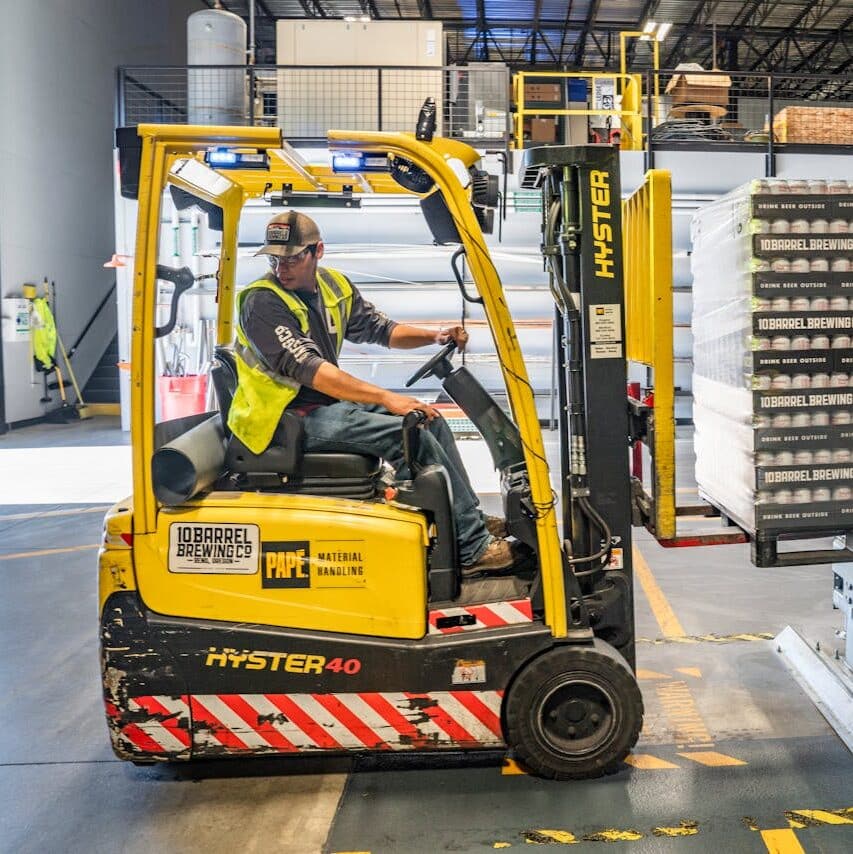
The most immediate and visible impact of robotics and automation is the dramatic improvement in production speed and accuracy. Robots, equipped with sophisticated sensors and control systems, can perform repetitive tasks with unwavering consistency, eliminating human error and significantly reducing production time. This isn’t simply about faster output; it’s about producing higher-quality goods with fewer defects. Automated systems can handle complex assembly operations, intricate welding, and precise material handling, freeing up human workers to focus on more value-added activities. Furthermore, the ability to operate 24/7, without fatigue or breaks, dramatically increases overall production capacity. Companies are realizing that investing in robotic solutions isn’t just about reducing labor costs; it’s about optimizing the entire manufacturing process and achieving a competitive edge.
Beyond Speed: Expanding the Scope of Automation
While speed remains a critical benefit, the integration of robotics extends far beyond simply automating repetitive tasks. The application of advanced technologies like computer vision and machine learning is enabling the creation of “smart” robots capable of adapting to changing conditions and performing increasingly complex operations. For example, robots can now identify and remove defective parts with greater accuracy than human inspectors, or even collaborate with human workers to perform delicate assembly procedures. This collaborative approach, often referred to as “cobotics,” allows for a synergistic relationship between humans and machines, leveraging the strengths of both. The ability to analyze data and adjust processes in real-time is a key differentiator in today’s market.
The Role of Data and Connectivity
The success of robotics and automation initiatives hinges significantly on the availability of robust data infrastructure. Sensors embedded within robotic systems collect vast amounts of information about the production environment – temperature, pressure, material flow, and more. This data is then analyzed using sophisticated software to optimize processes, predict potential problems, and improve overall efficiency. Furthermore, the integration of robots with enterprise resource planning (ERP) and other business systems allows for seamless data flow and improved decision-making. Connectivity is no longer a luxury; it’s a fundamental requirement for truly intelligent manufacturing.
Addressing the Workforce Shift
The introduction of robotics and automation inevitably raises concerns about workforce displacement. However, the narrative isn’t simply about job losses; it’s about a fundamental shift in the skills required for the future. The focus is shifting towards roles that require creativity, problem-solving, and human interaction – skills that are difficult to automate. Investing in training and reskilling programs is crucial to ensure that workers are prepared for these new opportunities. Companies that proactively embrace these changes and invest in their workforce will be best positioned to thrive in the evolving manufacturing landscape.
Conclusion: Embracing the Future of Manufacturing
The integration of robotics and automation represents a pivotal moment in the evolution of manufacturing. It’s not simply about replacing human workers; it’s about augmenting human capabilities, enhancing productivity, and creating a more agile and responsive production system. As technology continues to advance and the demand for customized products grows, the benefits of intelligent manufacturing will only become more pronounced. Businesses that embrace this transformation and prioritize data-driven decision-making will be well-positioned to secure a competitive advantage and thrive in the years to come.